Denza, a subsidiary under Build Your Dream, is all set to launch the Denza Z9S, an all-electric luxury executive sedan, in the Chinese market as a competitor of the Xiaomi SU7. China’s MIIT regulatory filings have revealed that the carmaker will introduce the model with both standard and performance options.
The Denza will launch the Z9S as a rear-wheel-drive sedan, which gets a permanent magnet synchronous motor with a single-speed automatic transmission at the rear wheels. The peak power output is 320 kW (429 hp) and 370 kW (496 hp) for standard and performance variants, respectively.
The electric motor used in both variants is manufactured by Zhengzhou BYD. The former one’s rated power is 160 kW, and the same for the latter is 185 kW. The top speed for both variants is 250 kmph; acceleration timing is still pending, but it is certain that the performance variant will take significantly less time for 0 to 100 kmph sprinting.
Equipped with the LFP next-generation Blade Battery pack, the Hefei BYD is the company that manufactured the battery cell for the standard variant, and Wuwei FinDreams has done so for the performance one. The latter one gets a larger battery pack than the standard one, though the CLTC range will be less than the standard variant.
Shanwei FinDreams and Shenzhen BYD are the companies that have assembled the battery pack for the standard and performance variants, respectively. All set to support BYD megawatt-level DC chargers, which take 5 minutes for 10 to 70 percent charging and up to 9 minutes for 97 percent. Even in the case of extreme weather such as -30-degree Celsius, it takes only 12 minutes for 10 to 80 percent charging.
The length is 5,090 mm with a 3,025 mm wheelbase, and the width is 1,980 mm. The height for standard and performance variants is 1,510 mm and 1,490 mm, respectively. The standard wheel size for the former is 19 inch with 245/50 R19 front and 275/45 R19 rear tires, and the latter is 20 inch with HL275/40 R20 tires. The kerb weight is 2,250 kg for the standard and 2,545 kg for the performance variant.
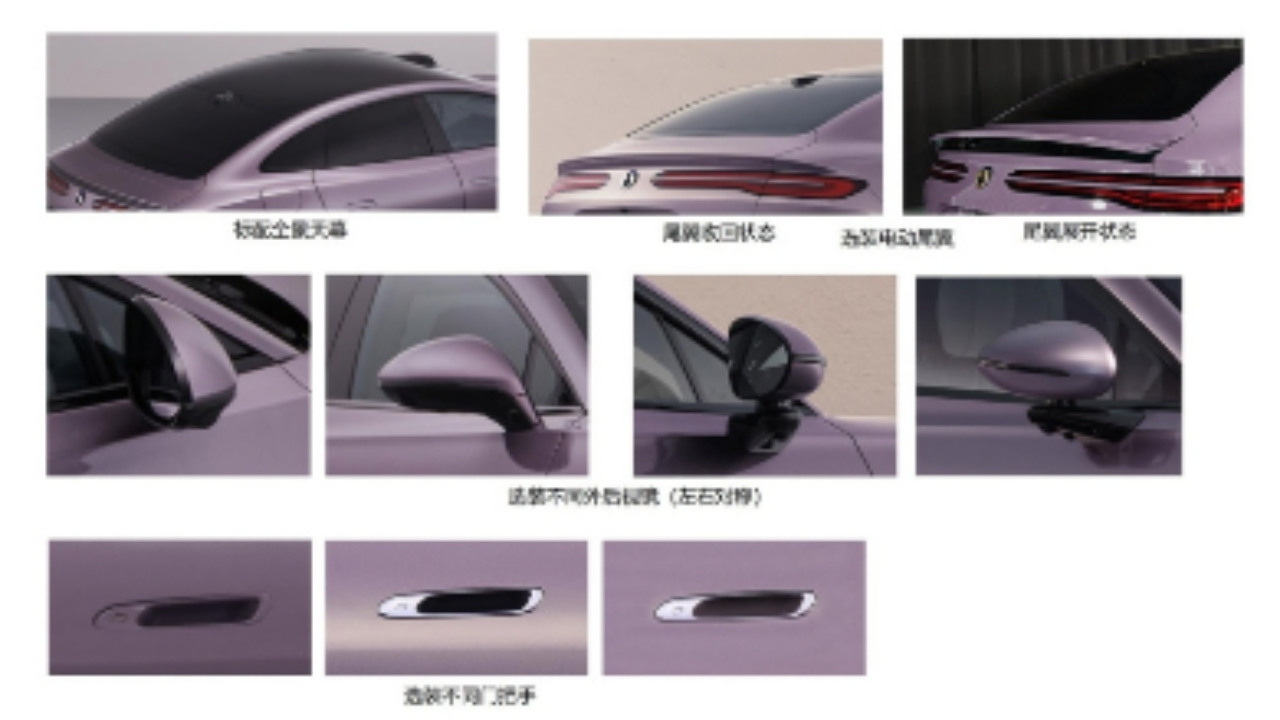
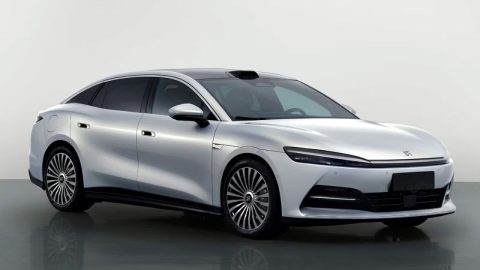
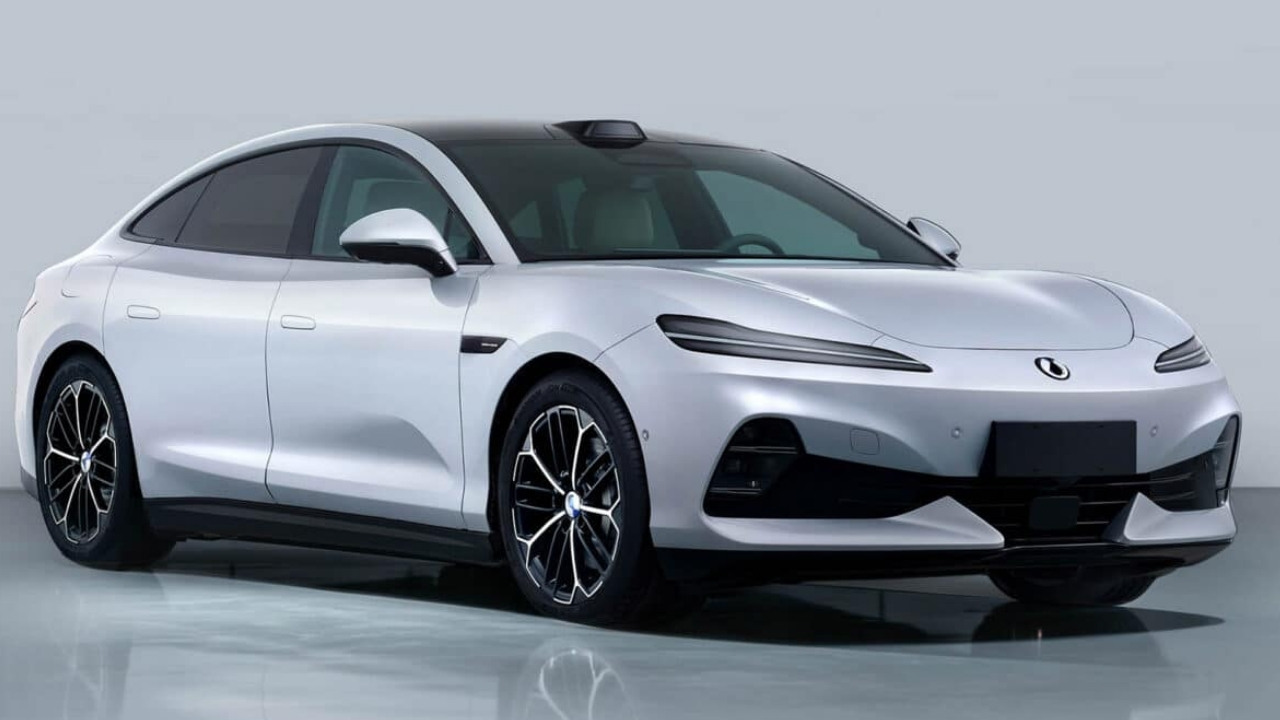
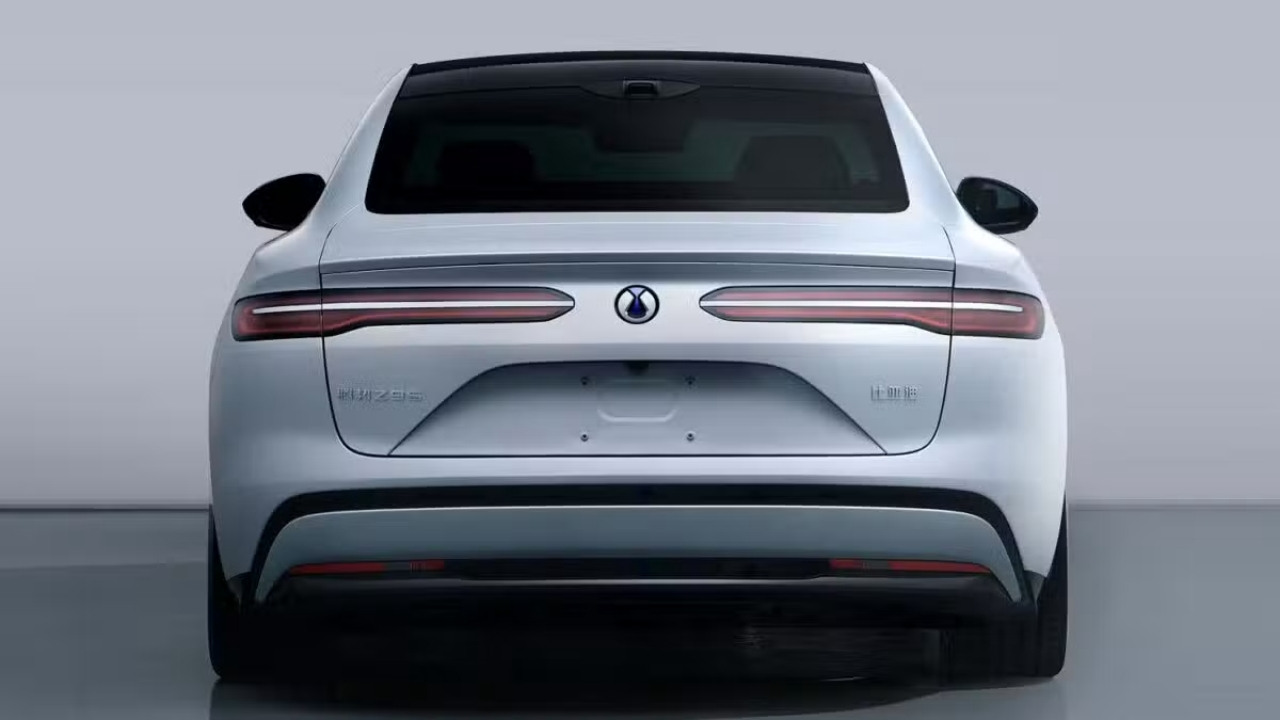
It has a roof-mounted LIDAR sensor, bumper-integrated lower active air intakes and side curtain, slim integrated LED headlights, a Denza logo below the hood, and a number plate holder above the bumper at the front end; double-toned ORVMs, blacked-out pillars, flush-type door handles, and flared wheel arches on the sides; and horizontal LED taillamps that seem connected with the Denza logo, bumper-integrated reflectors, and a silver skid plate on the bumper at the rear.
The interior is still undisclosed. Set to feature 5 people seating in 2-3 arrangements with a large boot space, it may also feature multiple storage compartments across the cabin. The center of the dashboard is all set to get a touchscreen that will act as a control panel of the cabin, as most of the settings are expected to be touch-based. Physical buttons are anticipated to be the screen for controls.
Most likely to feature a three-spoke steering wheel with Denza, under which a slim digital instrument cluster is anticipated showing the driving data. Reports suggest that the performance variant will also feature the augmented reality head-up display showing all the driving data on the windshield. Other features it may get are a wireless phone charging pad, ambient lighting, and USB charging ports.
As of now, there’s no word for the launch of the model in the Chinese market. They may unveil it in the quarter of 2026, and launch is expected in late 2026. Price details are still pending, but it is anticipated to cost between 300,000 yuan and 350,000 yuan, which translates to ₹42.21 lakh and ₹49.24 lakh.