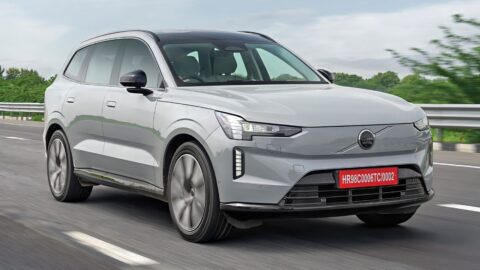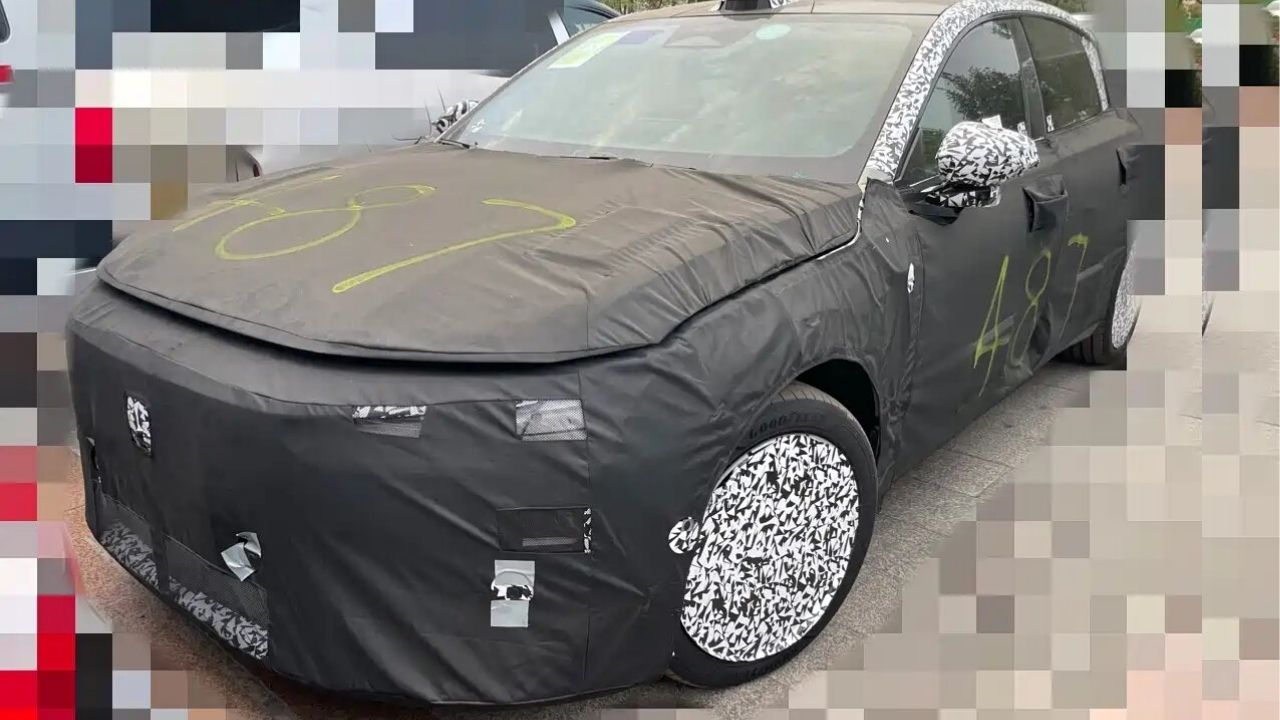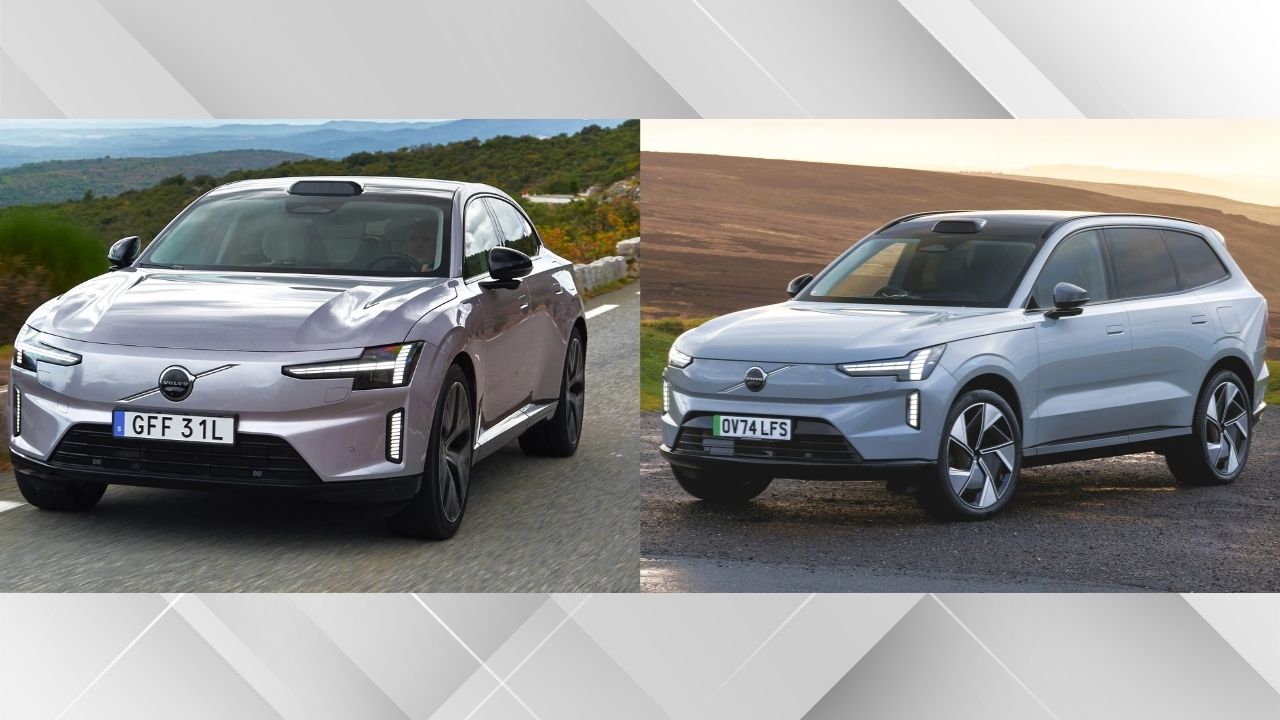
Volvo Cars India has officially confirmed that two new pure-electric models through the completely built unit route are coming; they are the EX90 and ES90. Notably, the former one is a sports utility vehicle, and the latter is a sedan. The launch in the Indian market is slated for October 12, 2026, booking for which will start in the near future through the brand’s official website and authorised dealerships.
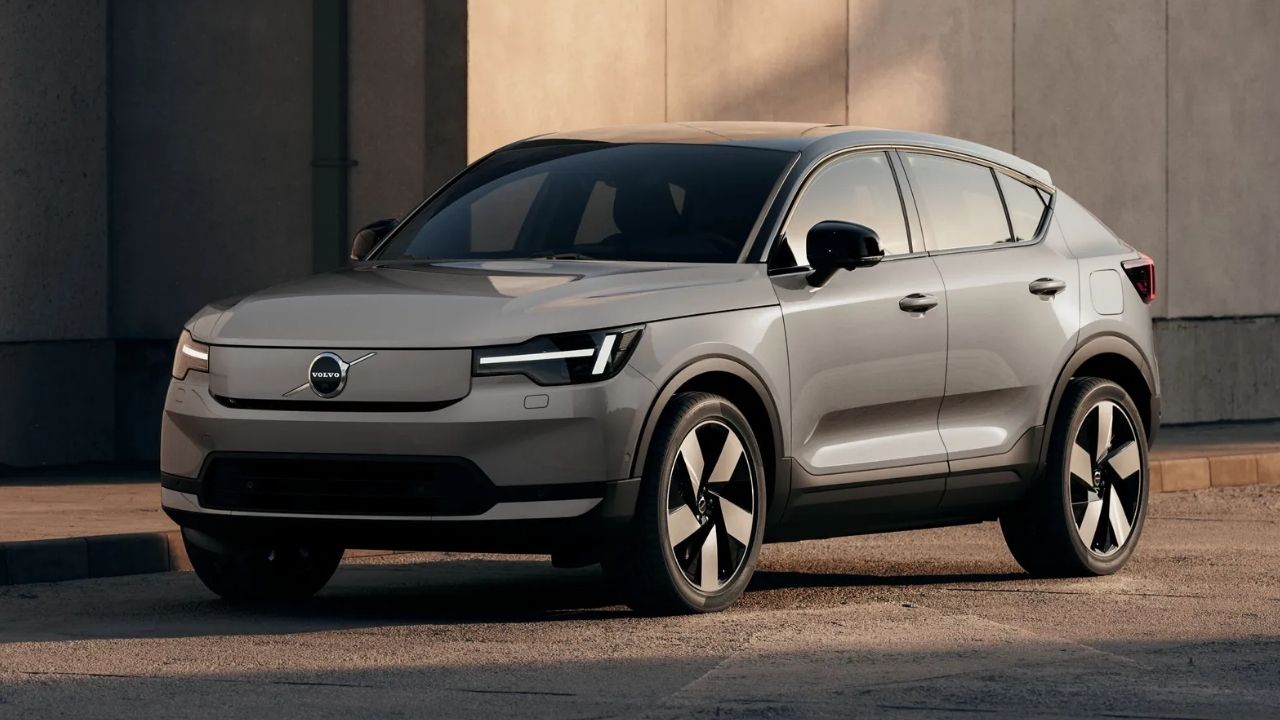
The global debut of the SUV and sedan happened in November 2022 and March 2025, respectively, with the EX90 arriving in India almost four years later and the ES90 after 1.5 years. As of now, they are selling two pure-electric models, the Volvo EX30 and the Volvo EC40, in India; both are SUVs. The upcoming SUV will sit above the two existing models, and the sedan is all set to be the flagship offering.
Same powertrain
The Swedish automobile manufacturer is yet to define the core specifications for the upcoming SUV and sedan. Reports suggest it to be similar to the one already on sale in the international market. Notably, globally they both are available in three versions, which are single-motor RWD, double-motor AWD, and double-motor AWD performance.
The only RWD trim gets a 92 kWh lithium-ion battery, which powers the rear-axle electric motor that delivers 333 hp power and 480 Nm torque, which helps these EVs to accelerate from 0 to 100 km/h in 6.6 seconds. And it has a top speed of 180 km/h. The WLTP range for the SUV is 565 km, and the same for the sedan is 664 km.
Their electrical architecture is 800 volts; they support DC chargers up to 300 kW, which take 22 minutes to charge the battery from 10 to 80 per cent. The AWD variant is equipped with a 106 kWh LFP battery pack, which powers the electric motor mounted on each axle, and delivers 680 hp and 870 Nm for the performance trim but 456 hp and 670 Nm for the other one.
The acceleration timing for the second variant is 5.3 seconds for the SUV, but the sedan takes 0.1 second more. The same for the third variant is 4 seconds for both the SUV and the sedan. The AWD’s top speed is identical to the only RWD. The WLTP range for the second and their variants is 608 km and 602 km, respectively, for the SUV, and the same for the sedan is 696 km for the AWD variants.
The AWD variants of SUV and sedan support DC chargers up to 350 kW, 50 kW more power than the RWD variant, but take the same 22 minutes for 10 to 80 per cent charging. It is still uncertain which one they will introduce in India. The top-end variant, which we referred to as “double-motor AWD performance”, may make its debut here for both SUV and sedan.
Dimensions and space
The length, width, and height of the EX90 SUV are 5,037 mm, 1,964 mm, and 1,744 mm, respectively, with a wheelbase of 2,985 mm and ground clearance of 213 mm; and the ES90 sedan has the same dimensions of 5,000 mm, 1,942 mm, and 1,546 mm in terms of length, width, and height, respectively, with a wheelbase measuring 3,102 mm and ground clearance of 177 mm.
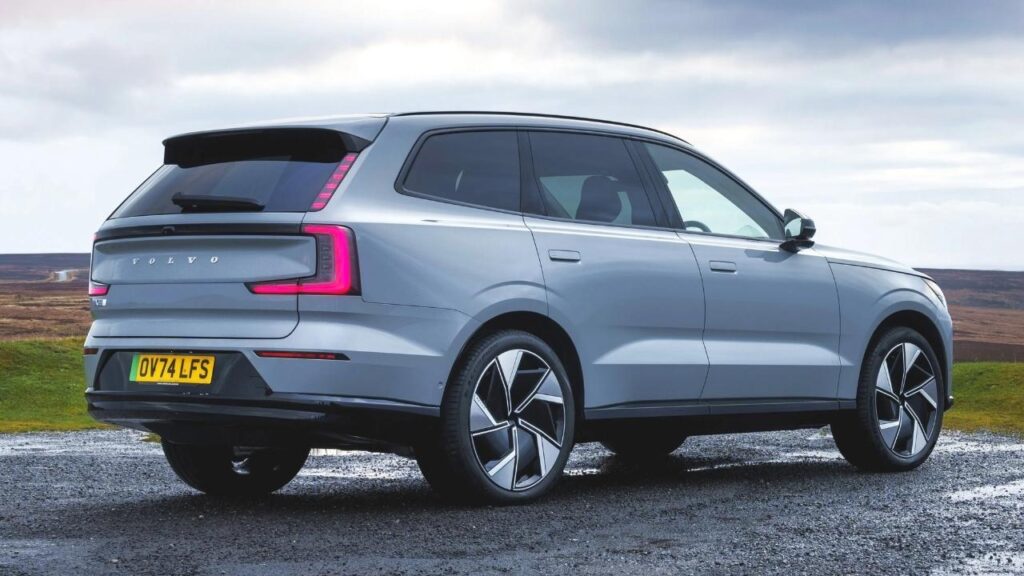
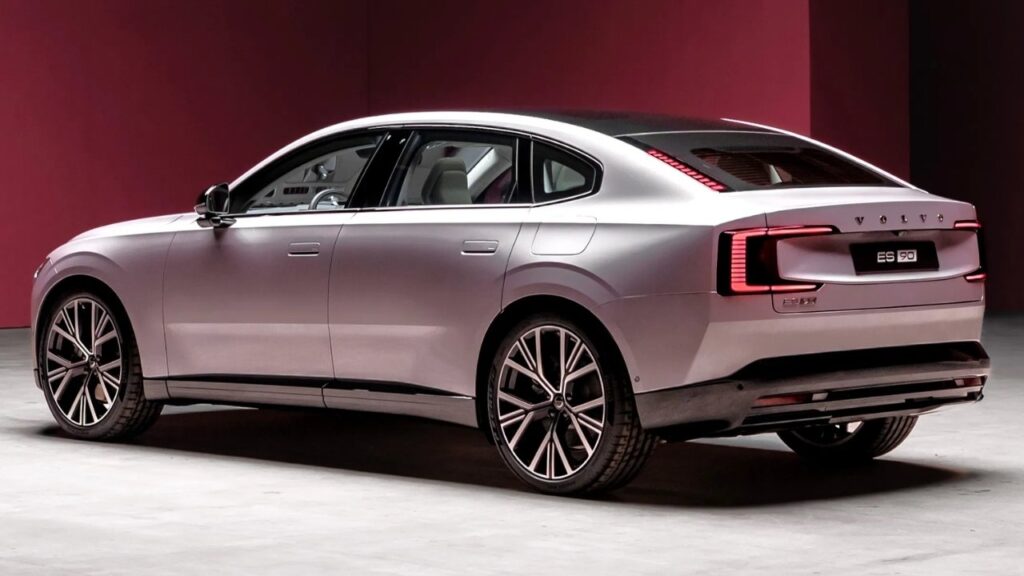
Both are five-seaters in a 2-3 layout. The SUV has a boot space of 384 litres, and the same for the sedan is 446 litres. They also have a frunk (front trunk storage), whose capacity is 45 litres and 27 litres for the SUV and sedan, respectively. The space under the hood is given to make it more convenient to carry an AC charger and tyre-changing tools.
Interior features
They both have similar cabin layouts with a 14.5-inch portrait-orientated touchscreen infotainment system at the centre of the dashboard, which runs on Google-based software with a smooth user interface. Under the steering wheel, they have a 9-inch slim digital instrument cluster and also a 13.2-inch head-up display projecting driving data on the windshield.
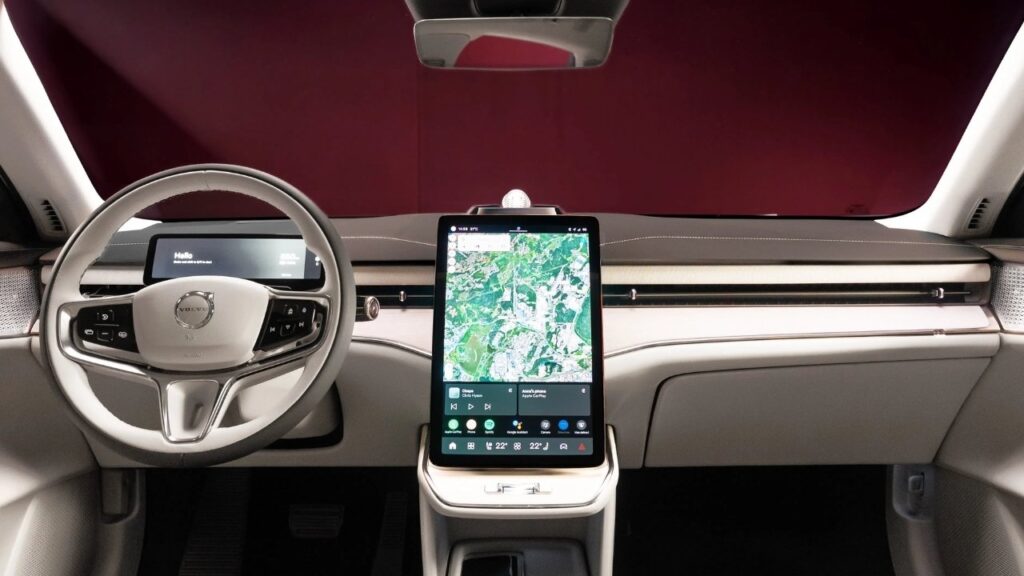
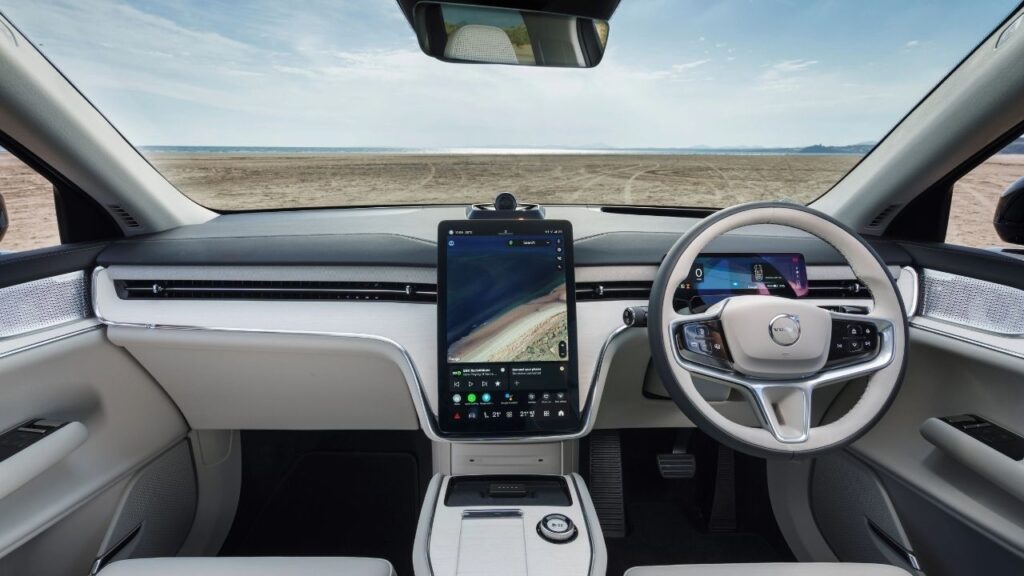
Other interior features that they both have are a BOSE premium sound system, ensuring a good-quality audio experience inside the cabin; a panoramic glass sunroof to let in air and give the feel of openness; four-zone climate control that helps in setting different temperatures for the co-passenger, driver, and rear-seating passenger; and Level 3 ADAS to make the driving semi-autonomous.