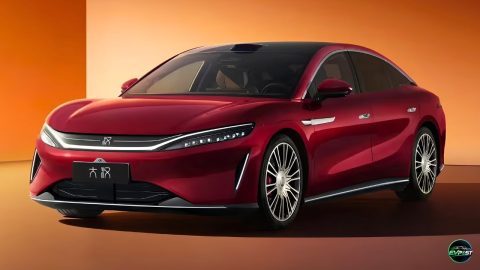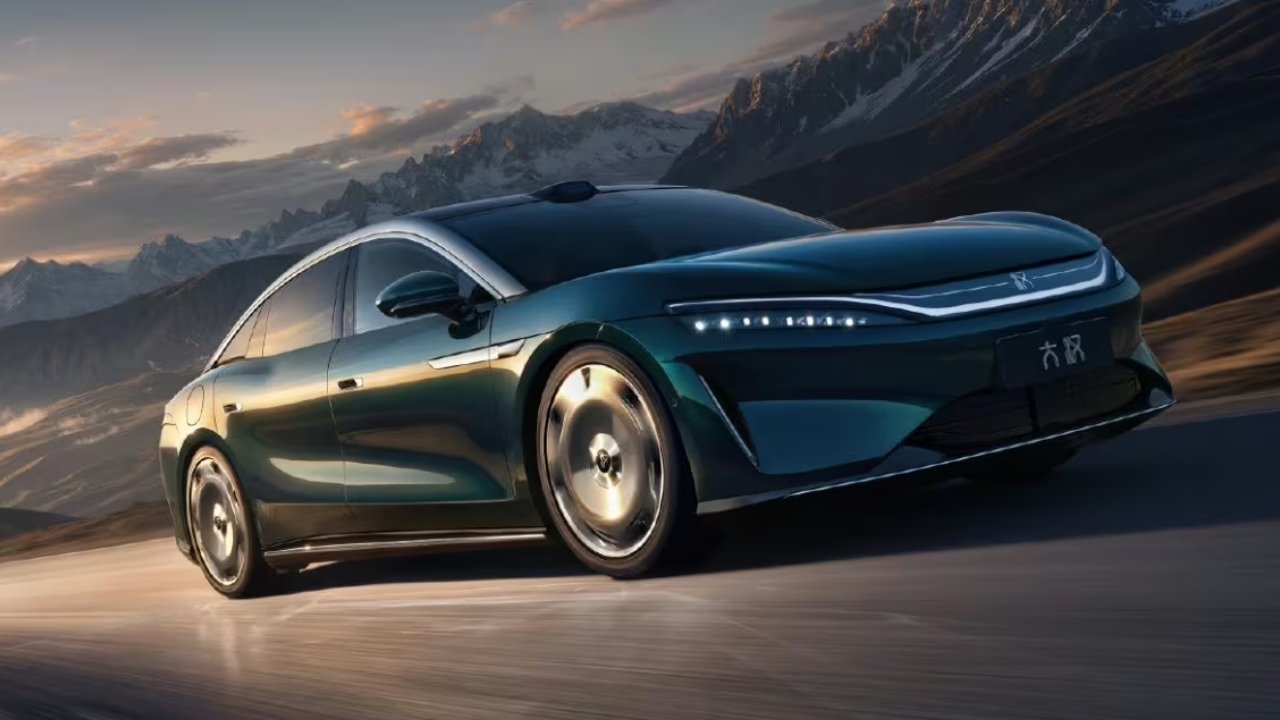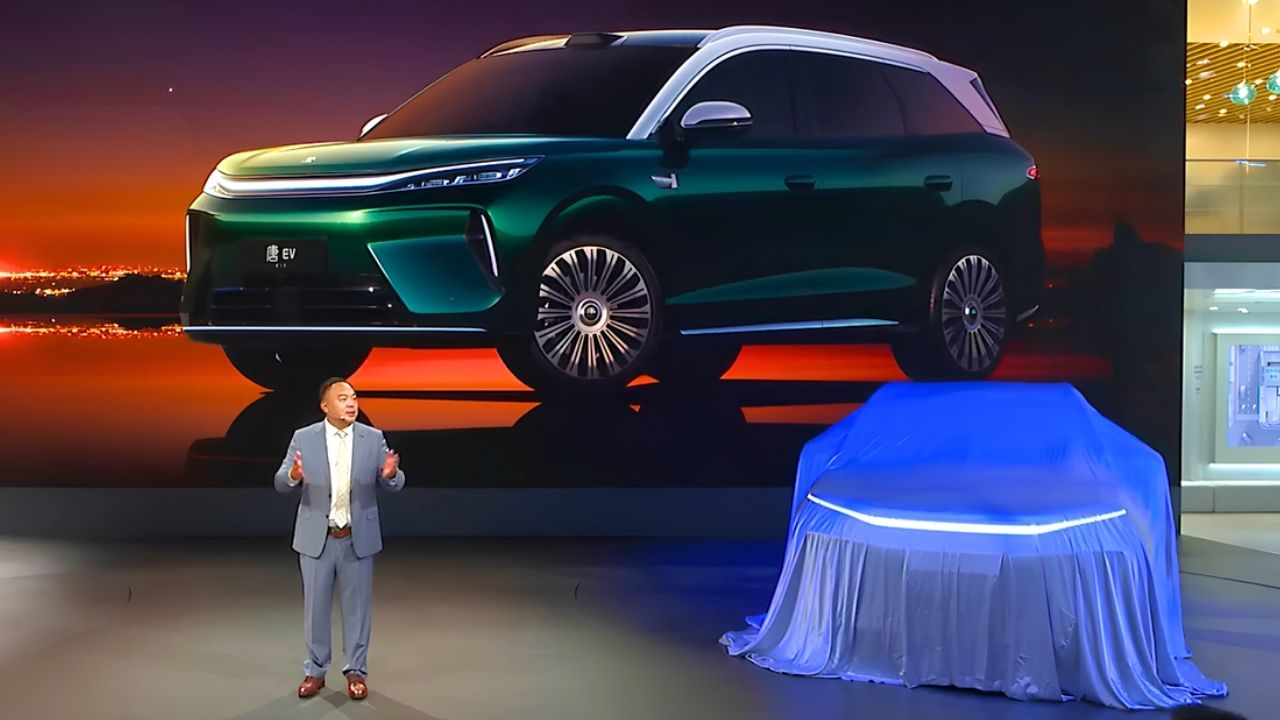
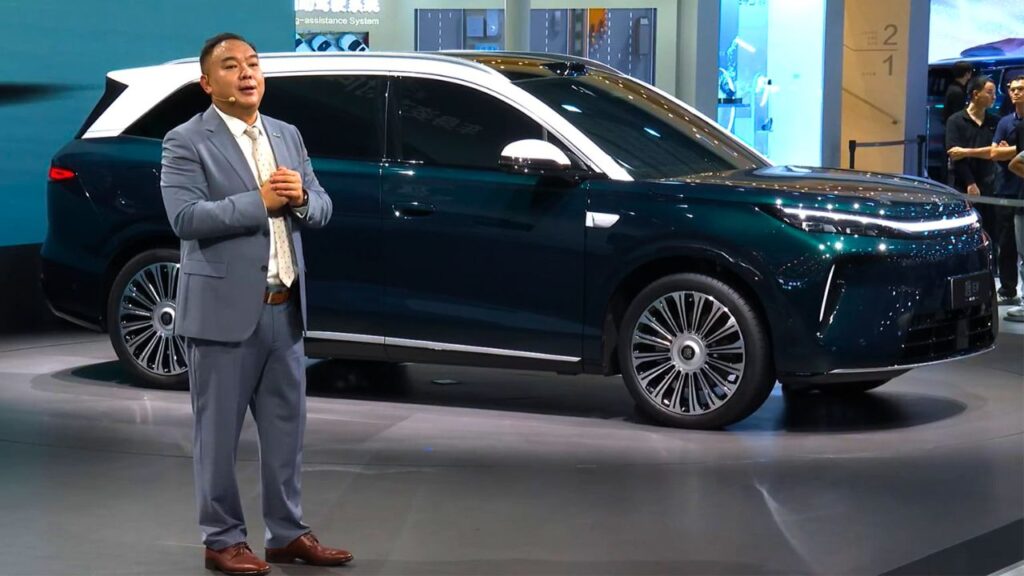
At the 2026 Chengdu Auto Show, Build Your Dreams has finally showcased the third-gen BYD Tang, a mid-to-large SUV, revealing the model. It is positioned in the Dynasty lineup as an 8-series flagship SUV, whose launch in the Chinese market is scheduled for the last quarter of 2026.
The Tang is already on sale in China in the 2nd-Gen, whose launch happens in 2018 and facelift (mid-life upgrade) arrives in the year 2022. Almost eight years after the new generation is coming. The upcoming third-gen model will replace the one already on sale.
It is 5,045 mm longer, 1,980 mm wider, and 1,760 mm taller, with a wheelbase of 2,950 mm. Outside, it has multi-spoke alloy wheels bracketed by the flared wheel arches; semi-hidden flush-type door handles improving aerodynamics; and full-width modern tailgate lighting signature creating a wide stance.
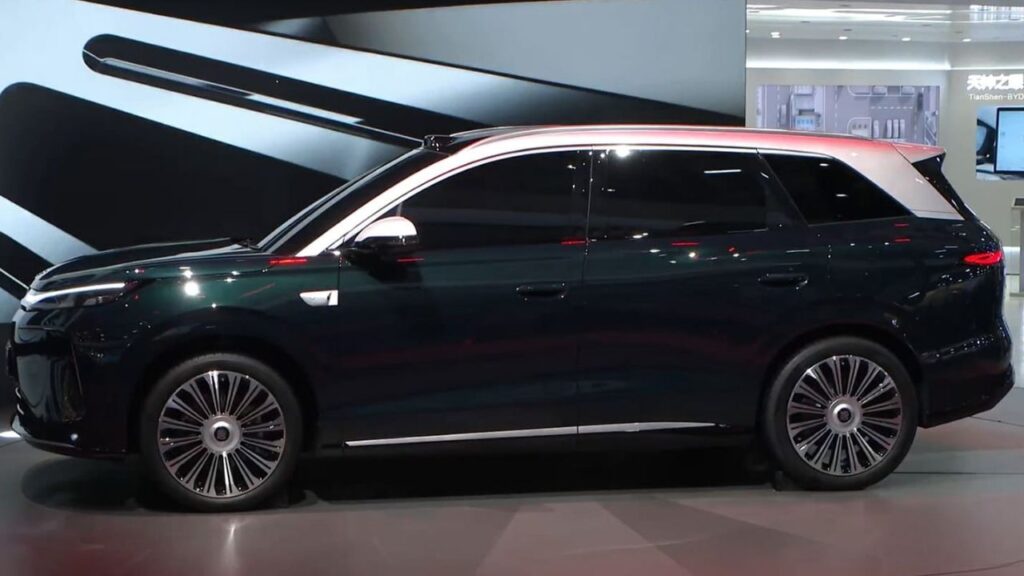
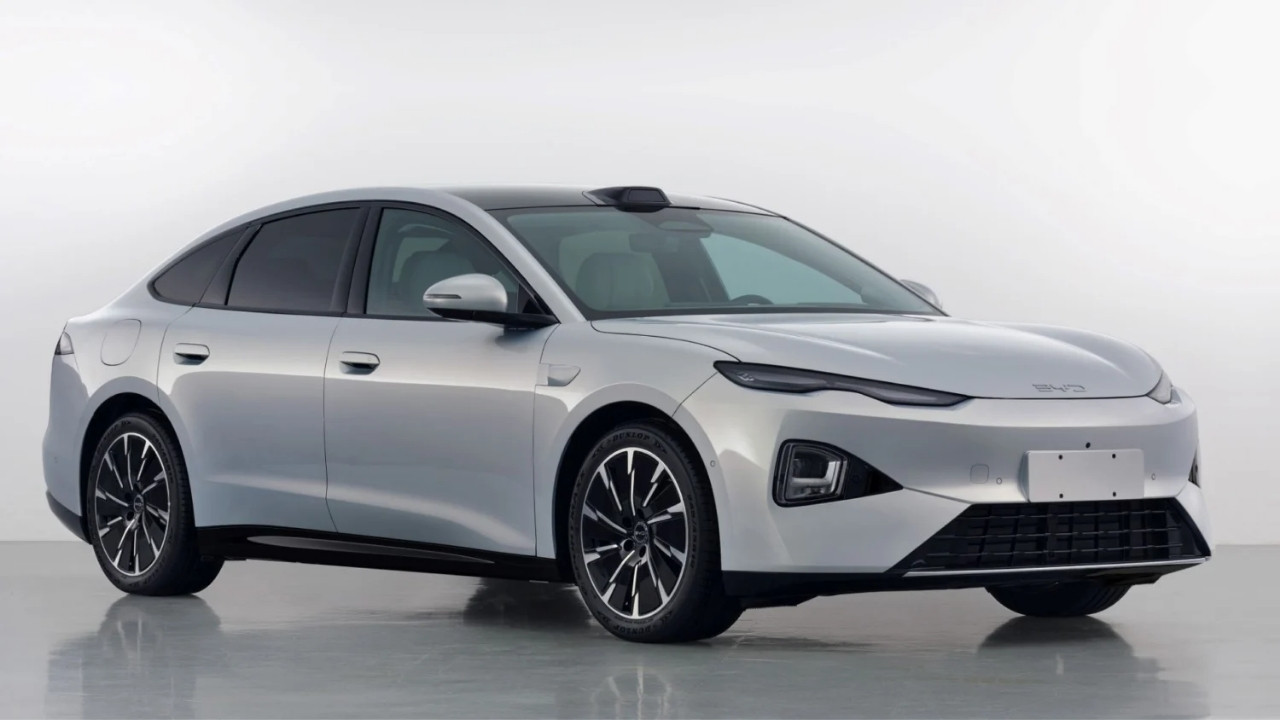
Other details that we get to see on its exterior are a full-width LED taillight with the main headlights on the side just below the DRLs. It gets double-toned ORVMs on the A-pillar, which also integrates the side indicators in a slim horizontal shape. At the rear, it gets a roof-integrated spoiler.
The outing is available with the sale with 6 seats in a 2-2-2 and 7 seats in a 2-3-2 layout, and the upcoming one features 5 seats in a 2-3 arrangement. Notably, compared to previous-generation models, the next generation is 145 mm longer, 30 mm wider, and 35 mm taller with a 130 mm longer wheelbase.
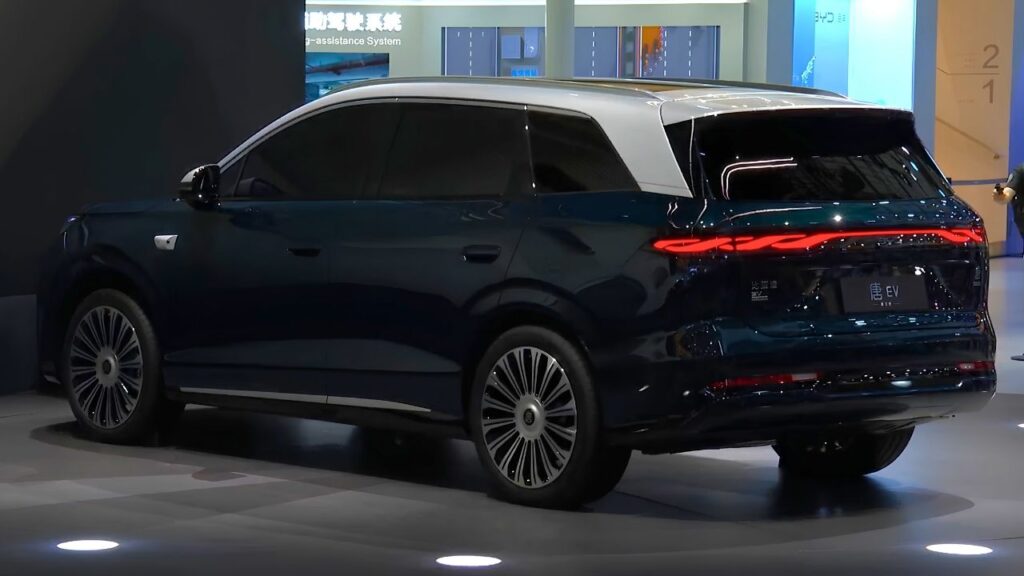
The third-gen BYD Tang is set to have a large boot space, enhancing luggage-carrying practicality. Because the wheelbase has significantly increased and the seating layout is turned to 5, now all occupants are set to have spacious legroom, headroom, and shoulder room with enhanced comfort.
A LIDAR on the roof from the front end is clearly visible; it is a part of God’s Eye B, the brand’s latest advanced driving assistant system, which features navigation on autopilot for city driving and highway cruising and also automated parking.
It is equipped with the DiSus-A, BYD’s intelligent air-suspension system that has a double chamber, with double wishbone independent at the front and five-link independent at the rear, which helps with ride comfort, handling and body stability on all types of terrain and features adjustable ride height.
As a pure-electric vehicle, it gets a permanent magnet synchronous motor, TZ205QYD, on the rear axle and a rear-wheel-drive drivetrain, meaning its rear wheel gets power. The PMSM with single-speed automatic transmission, which delivers the power of 300 kW (408 hp).
Its top speed is 250 km/h, and 0 to 100 km/h acceleration timing is still pending. Beneath the floor, it has next-generation Blade battery, with two options: 88.682 kWh and 105.792 kWh. With the standard battery pack, it runs up to 730 km, but the range with the larger one is 830-850 km.
As the Blade 2.0 battery pack is equipped, it is set to support the BYD megawatt-level flash charging that takes 5 minutes for 10-70% charging. The same charger takes 9 minutes for up to 97%. For extreme cold conditions, it takes 12 minutes for 20 to 80 per cent charging.
Compared to the previous-generation model, the next generation is coming with many smart and high-tech features that enhance the convenience and comfort for all occupants. The range claimed by BYD is in ideal conditions; in the real world, it will depend on your driving style.
If we talk about the charging speed, it is as fast as refuelling at the gas station, which solves one of the crucial problems, range anxiety, among EV buyers. For now, there’s no update on its price; the carmaker will reveal it with the launch. The tentative price is set to come out with presale.