
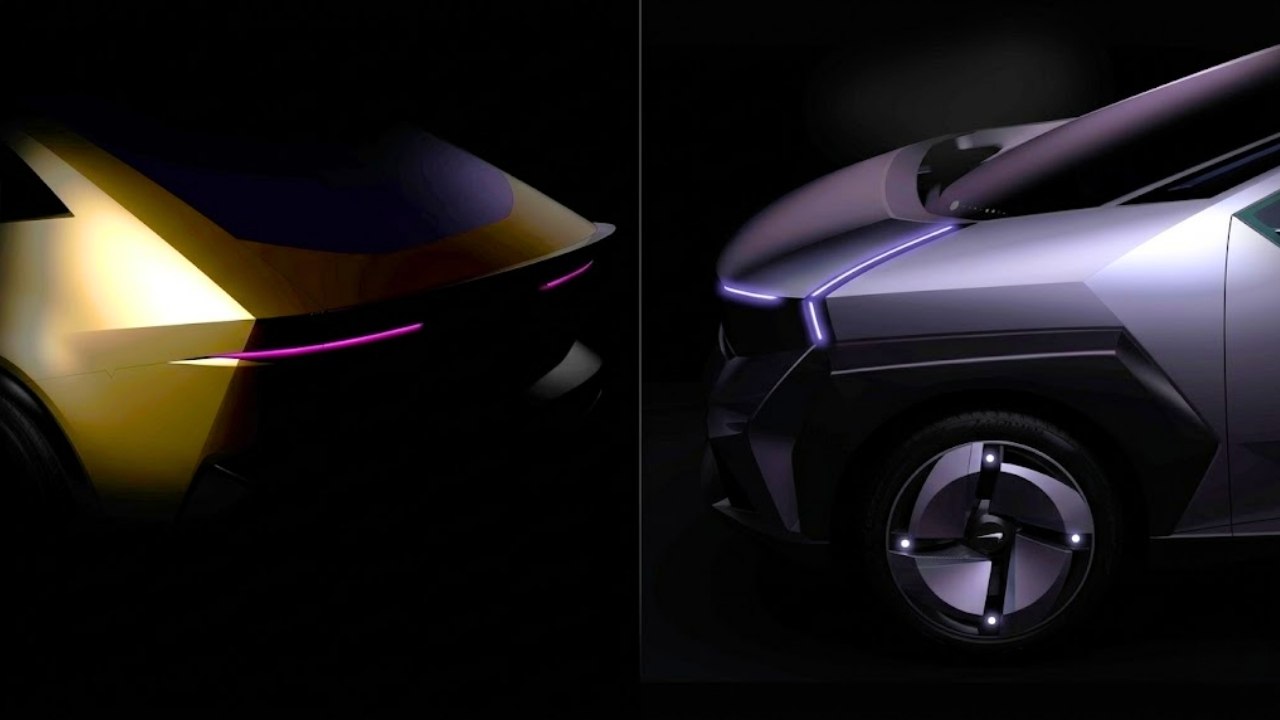
Hyundai has unveiled two concept models, which are Earth and Venus, which reflects how future models of the Ioniq EVs will be. They are part of the brand’s big electric plan to sell 3.3 million electric vehicles by the year 2030.
In terms of design, they are totally going to be different from one another. The concept ‘Earth’ represents SUVs, crossovers and off-road EVs; the concept ‘Venus’ is for flagship EVs. Know their design differences below.
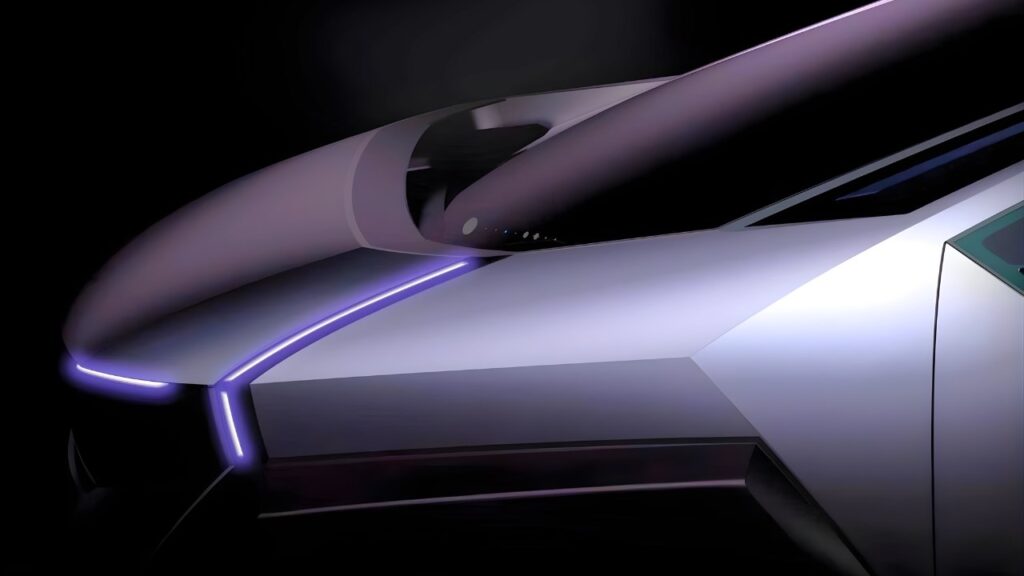
Hyundai Earth Concept
Up front, it features sharp LED lighting in a Y-shape which makes it instantly recognisable at night; a closed-off grill with modern design for better aerodynamics; a split lighting setup that gives it a modern EV styling trend; a short bonnet that gives more cabin space; and a wide and flat nose that improves its road presence.
On the sides, it gets flat body panels with sharp cuts that give it a clean but muscular look, square wheel arches with cladding features that add ruggedness and protect the body in rough conditions, high ground clearance improves off-road ability and visibility, and large alloy wheels enhance sportiness and stability.
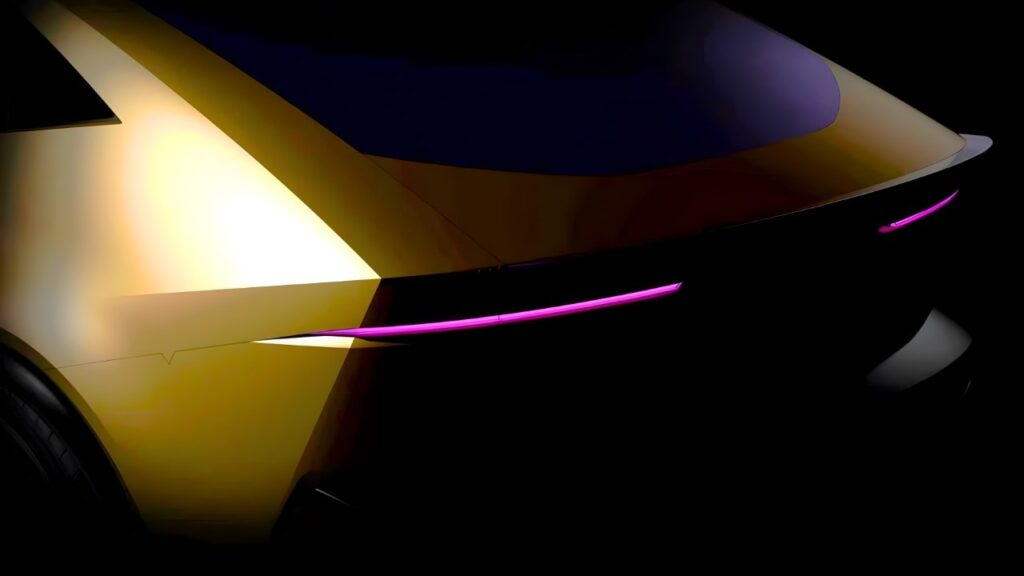
The sharp LED tail lamps at the rear gives it a connected design language, and comes with consistent angular design that gives it a modern and futuristic appearance. The roof spoiler improves aerodynamics as well as adds a sporty touch, and clean rear glass integration reduces air resistance and improves efficiency.
Hyundai Venue Concept
The front fascia also features a split headlamp setup, giving it a modern sport utility vehicle identity; LED DRLs on top that improve visibility and styling; a large rectangular grille that adds strong road presence despite its size; and an upright nose that increases driver visibility and city driving confidence.
The boxy shape maximises interior space in a small footprint; it gets roof rails that add practicality and make it convenient to carry luggage during trips. It has squared wheel arches and body cladding that give it an SUV feel even though it is city-focused, and its compact dimensions help easy manoeuvring in tight spaces and busy traffic.
At the rear, it gets a wide-body tailgate that helps in easier boot access; its square taillamps match the overall boxy theme. It also features a roof spoiler that improves aerodynamics, and the skid plate design gives it an off-road feel. Overall, the rear is clean, practical, and slightly sporty.
Hyundai Ioniq Line-up
Globally, the Hyundai Ioniq line-up has a total of three models: the Ioniq 5, the Ioniq 6, and the Ioniq 9, and two performance models are the Ioniq 5 N and the Ioniq 6 N. The next EV in the line-up is the Ioniq 3, an all-electric hatchback, whose global debut will happen in April 2026.
The launch of the upcoming EV under the lineup of Ioniq is expected around late 2026. It is based on Concept THREE; the design language is Art of Steel. Up front, it features Pixel-style LED lighting, slim headlights with a full-width rear light bar, a ducktail spoiler and a low and sporty stance.
Its interior features wireless charging and connectivity, premium materials for seating and cabin, a minimalistic dashboard and a large infotainment system with a premium-quality soundbox and wireless Android Auto and Apple CarPlay. It is likely to be introduced with two battery packs, which are 58.3 kWh and 81.4 kWh, which may give a WLTP range of 587 km and 628 km, respectively.
It is all set to come with two drivetrains: first, with a single-motor rear-wheel drive configuration, and second, with a double-motor all-wheel drive option. The power output for FWD and AWD is 201 hp and 288 hp, respectively, with 283 Nm torque. The acceleration timing of 0-100 km/h is expected to be between 7 and 8 seconds and top speed up to 160-180 km/h.
