
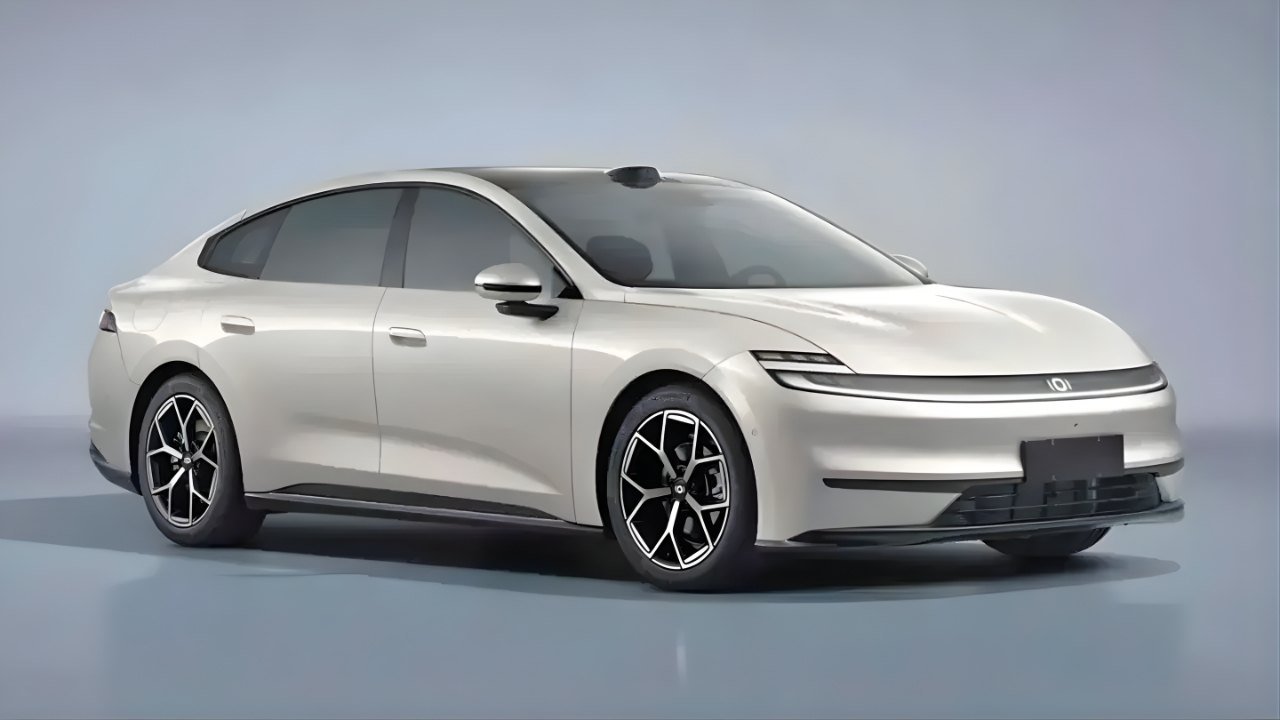
The Ministry of Industry and Information Technology, China, has released a new catalogue for recent filings, where we spot a mid-size SUV, the Q06, from Changan’s Nevo, which is also known as Qiyuan in the domestic market. In the Chinese market, it is set to be introduced with both EV and EREV powertrains.
The Nevo (Qiyuan) is yet to announce when they will launch the Q06, but various reports say that it may be introduced in the second half of 2026. It is set to be positioned between its siblings, A06 and Q07. The price will be announced near the launch; it is more likely that it will cost around ¥200,000.
In the Chinese market, the Q06 from the Nevo is likely to compete with the Xiaomi YU7, BYD Song Ultra and Zeekr X. The MIIT filing has revealed its many details with its images before the official unveiling, which may happen in the next few months. Here, we have done a detailed discussion on what the filing revealed.
14 Wheel Design Options
The Q06 features a similar design language compared to the A06. Up front, it gets a modern grill that is closed to give it modern style and improves aerodynamics that results in better efficiency. It gets slim LED headlights to give it a sharp and futuristic appearance and a sporty bumper to add aggressiveness.
On the sides, we get to see semi-flush-type door handles for better practicality. It comes with large alloy wheels up to 21 inches and will be available with 14 different design options. The back gets a full-width connected LED taillight design, giving a high-tech look; the rear bumper is double-tone, and there’s a sporty splitter; together they add performance-inspired styling.
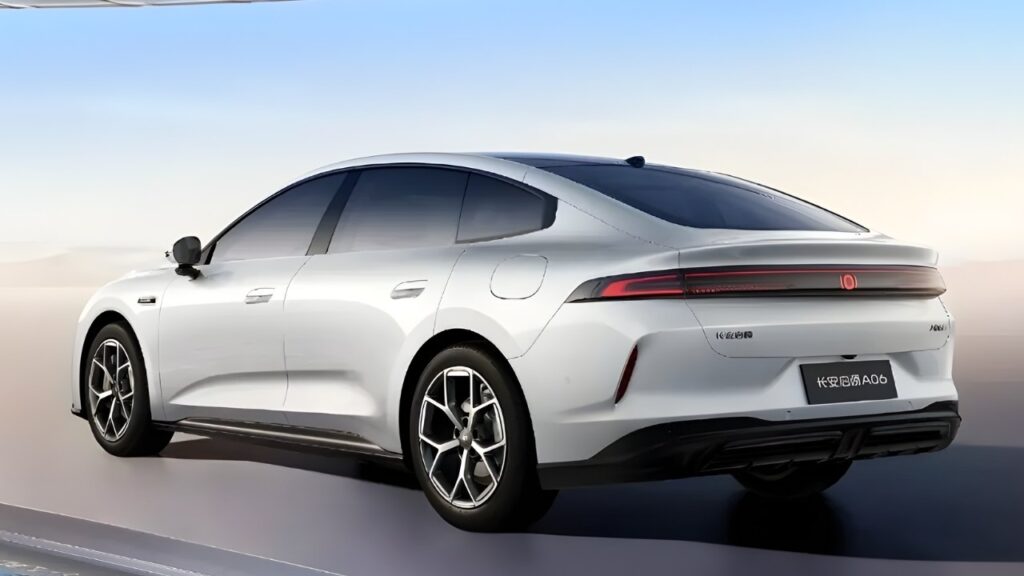
The one is a pure EV and gets the ‘Q06 E’ badge, and for the extended-range EV, it features a badge of ‘Q06 R’. The launch in the Chinese market will happen in multiple colours; the image we get to see in the MIIT filing is pearl white. Expected colour options are red, electric blue, grey, cosmic black and silver.
ADAS Level 2+ With LiDAR
The MIIT filing doesn’t reveal all about Q06’s interior and features. It is expected to come equipped with a 15.6-inch 4K floating central touchscreen and a slim digital instrument cluster. It also features an AI voice assistant, connected car tech OTA updates, wireless Android Auto and Apple CarPlay, a wireless charging pad, USB charging ports, and others.
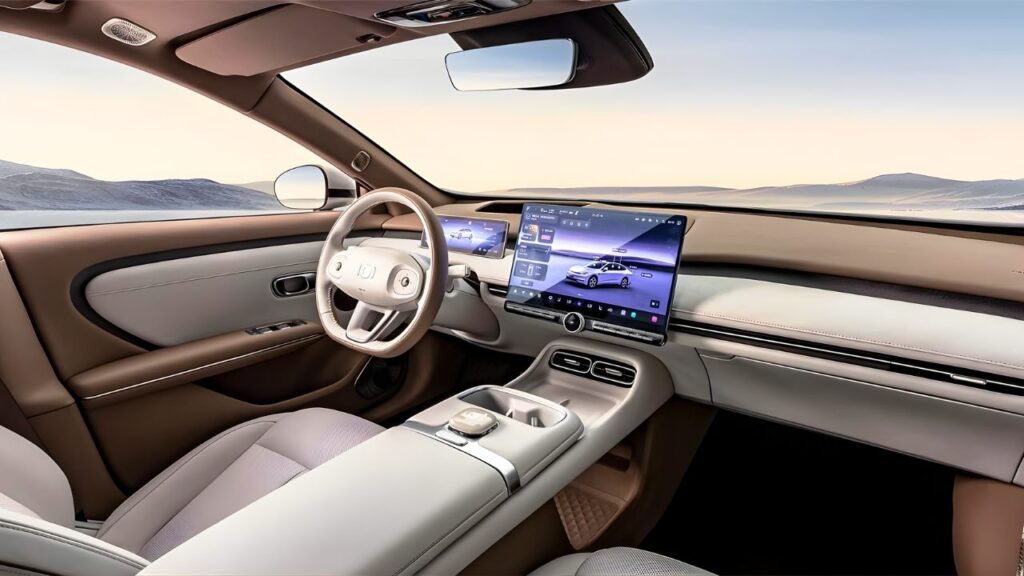
The driver and front-seating passenger are expected to be electronically adjustable, and it is likely that they feature heating, ventilation and massage functions. The cabin is set to feature seating made up of vegan leather and soft-touch materials. The rear seats are likely to support reclining up to 145° to ensure comfort during the long journey.
As for the premium features, the cabin is expected to include 256-colour ambient lighting, a large panoramic sunroof, a premium multi-speaker system, and ADAS (Advanced Driver Assistance Systems) Level 2+ with LiDAR (Light Detection and Ranging) featuring multiple cameras and radar sensors.
4.8 Metre Long SUV
The MIIT filing reveals almost all dimensions and space; its length, width and height are 4837 mm, 1970 mm and 1670 mm, respectively. These measurements make it a mid-size SUV with a spacious cabin that makes seating of 5 people comfortable with a layout of 2-3; the boot space is expected to be above 500 litres.
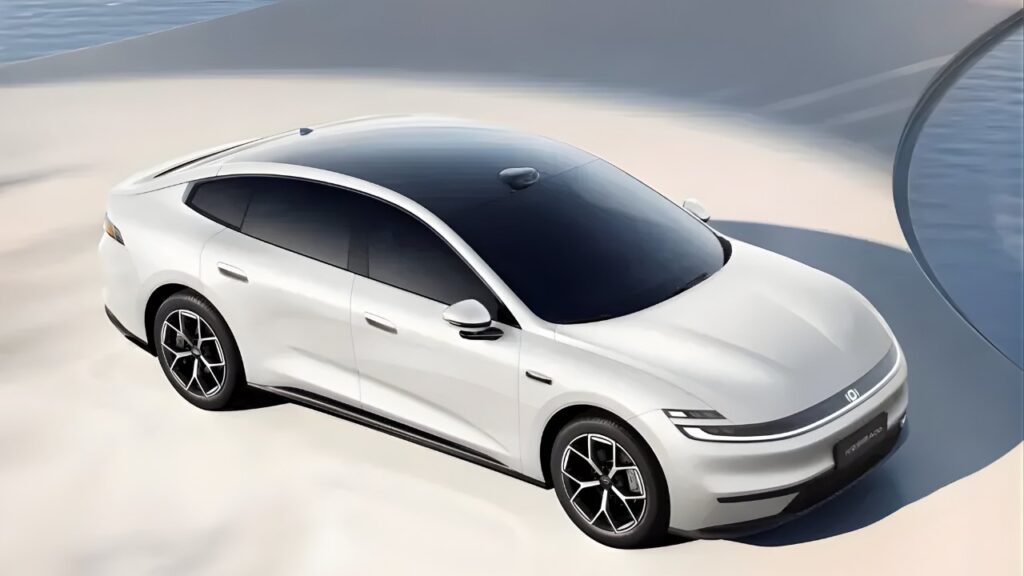
Note that the 2940 mm wheelbase is quite long in its segment; it ensures that even rear-seating passengers get ample legroom. The ground clearance isn’t revealed, but we can expect it to be around 170 mm. Three tyre sizes are mentioned on the MIIT filing; they are 245/55R19, 245/50R20, and 245/45R21.
Double-Rear Motor Setup
The pure EV is available with two single-motor options, 210 kW (282 hp) and 225 kW (302 hp), mounted on the rear axle featuring a rear-wheel drive drivetrain; and also with a double-rear-motor option, each with the power output of 165 kW (222 hp), also featuring a RWD drivetrain, whose top speeds are 200 km/h and 230 km/h, respectively.
The extended-range EV comes with a 1.5-litre naturally aspirated 4-cylinder petrol engine with a two-double-rear-motor setup featuring a RWD drivetrain; its top speed is 220 km/h. Both will get LPF batteries; one is a pure EV and is developed on 800-volt electrical architecture, which means it supports fast charging, like 10-80% under 20 minutes.
